

Profile
About
For almost thirty years, I have worked at the intersection of sport, communications, media and commercial interests.
For almost thirty years, I have worked at the intersection of sport, communications, media and commercial interests.
I started my career in advertising and was educated as a commercial marketer, not as a journalist. That background still shapes the way I look at communications today.
I have spent many years working closely with journalists and have great respect for independent journalism. But I have always looked at media in a broader context as well: how do you create relevance, build reputation, reach audiences and contribute to the objectives of an organisation and its partners?
Over the years, that has taken me from advertising and marketing into media relations, sports promotion, corporate communications, content, reputation management, crisis communications and stakeholder management. Different disciplines, always connected.
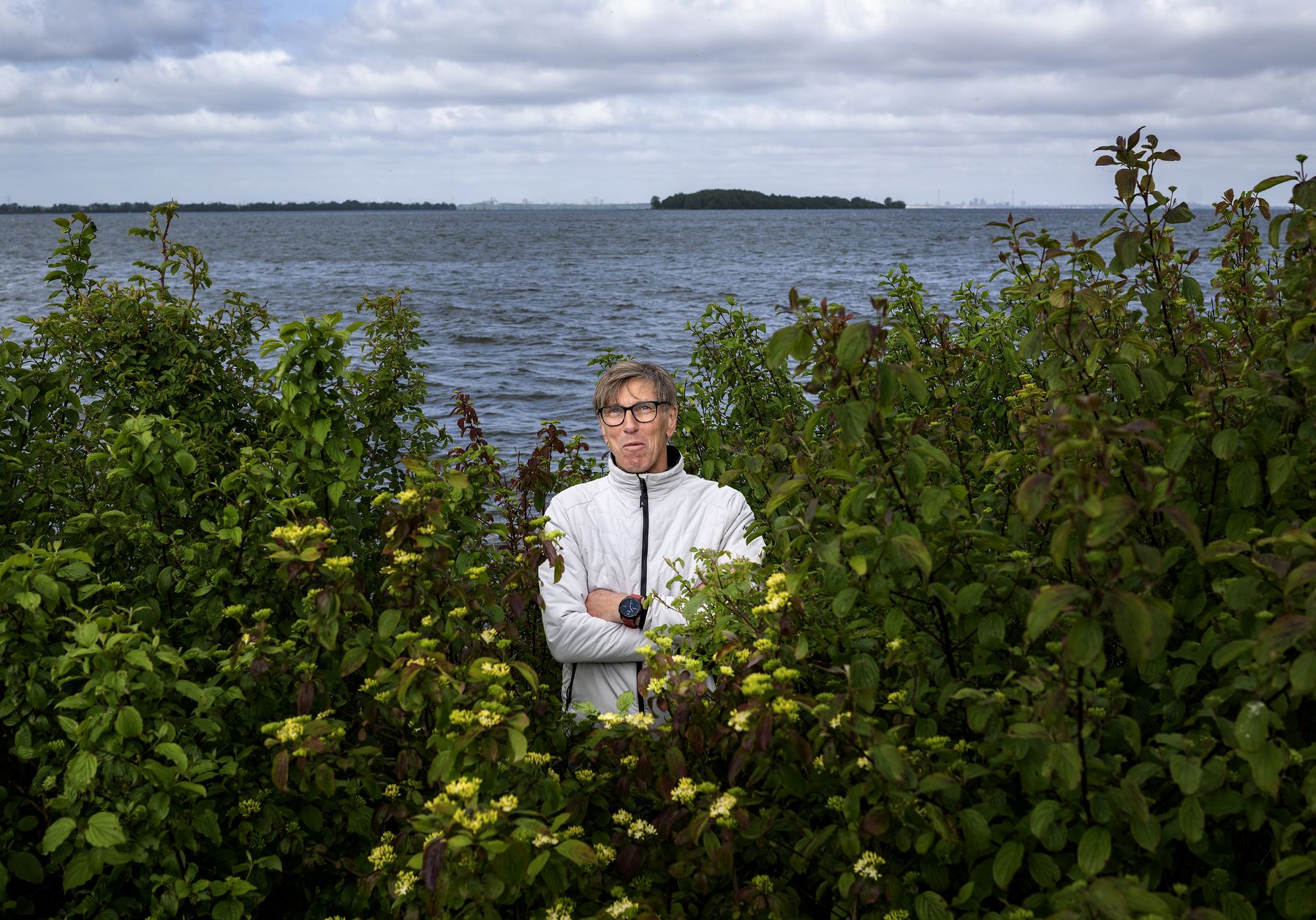
Sport is still the environment in which I feel most at home.
I like its clarity. There is a performance, a result and usually a next opportunity only a few days away. But behind that apparent simplicity sits an increasingly complex world of athletes, coaches, management, employees, media, fans, commercial partners, public authorities and other stakeholders.
Communications operates somewhere in the middle of all of them. That is what continues to interest me: understanding what an organisation stands for, understanding what is happening around it, and finding the connection between the two.
I enjoy working in environments where things move quickly, where interests sometimes collide and where communications has to be both considered and practical. I am comfortable advising management on a sensitive issue in the morning and dealing directly with journalists, athletes or colleagues later the same day.
In elite sport, the expectation is a gold medal performance, not only from the athletes, but from the staff around them. I am used to working in that environment, and to the standard it sets.
I believe communications starts with clarity about your own identity and narrative. Who are we? What do we stand for? What is our promise? What do we want people to know, understand or feel about us?
But a narrative only has value if it connects with the world outside the organisation. That is why I believe in outside-in thinking before communicating inside-out.
Listen first. Understand what matters to journalists, fans, partners, employees and public stakeholders. Understand how the organisation is perceived and what is happening in society and the media landscape around it. Then determine how your own story can be relevant within that reality without losing its authenticity.
Communication cannot force people to care. It can make it easier for them to care.
I enjoy working in a team of specialists and talented people who know more about their particular discipline than I do. A good social specialist should be better at social than I am. A videographer should see things I don’t see. A talented press officer should have the confidence and knowledge to handle journalists without waiting for instructions on every call.
My role is to provide context and direction, connect disciplines and people, ask questions, make choices when necessary and help ensure that everyone understands the wider narrative. I am not a dominant leader, and I am not looking to be anyone’s boss. I would rather guide a team through experience and by listening to what everyone brings to the table than lead through hierarchy.
Trust matters too, with management, athletes, colleagues and journalists. Especially when things get difficult.
I am both strategic and hands on. I think about where the organisation needs to go, and I am equally comfortable rewriting a text, finishing a presentation or picking up whatever simply needs to be done. I do not consider myself too senior for either.
See how this profile translates into almost three decades of experience across clubs, federations and major events.